Simple Ways to Organize Your Home, Expenses, Tasks, and Everyday Responsibilities
A practical guide to creating simple systems for managing your home, money, tasks, schedules, documents, and everyday responsibilities without making life unnecessarily complicated.
Everyday life can become difficult to manage when small responsibilities begin to pile up. Bills need to be paid, household items need to be replaced, appointments need to be remembered, rooms need attention, and personal tasks compete for limited time. None of these responsibilities may seem particularly large on their own, but together they can create a constant feeling of being behind.
Good organization can make these responsibilities easier to handle. The goal is not to create a perfectly organized life. Instead, it is to create simple systems that help you know what needs attention, where important things are kept, and when recurring responsibilities need to be handled.
With a few practical habits, it becomes possible to organize your home, monitor everyday expenses, manage tasks, and prepare for upcoming responsibilities without spending hours maintaining complicated systems.
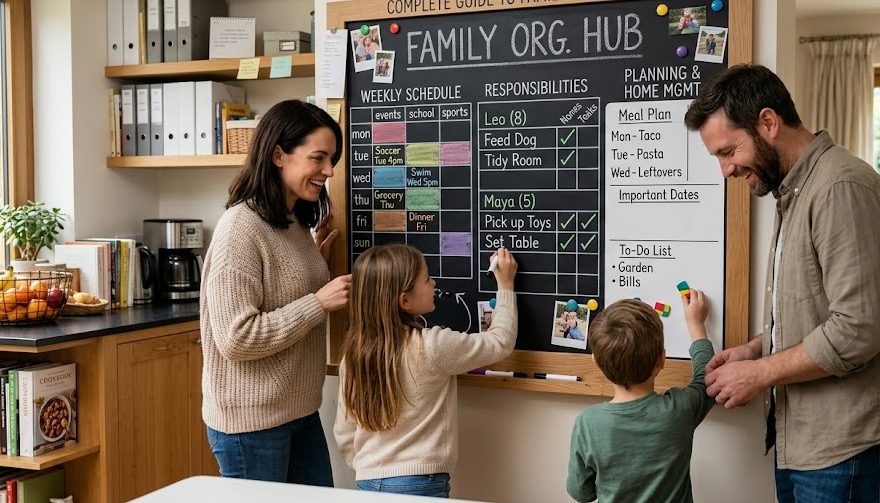
Start by Dividing Responsibilities Into Clear Areas
Trying to manage everything through one giant list can quickly become overwhelming. A simpler approach is to separate everyday responsibilities into a few broad areas.
Home Organization
Keep frequently used belongings, household supplies, documents, and rooms organized in practical ways.
Expenses
Track regular bills, everyday spending, subscriptions, savings goals, and larger upcoming costs.
Tasks
Write down responsibilities instead of depending entirely on memory to remember everything.
Schedule
Use a calendar for appointments, deadlines, meetings, events, and activities connected to specific dates.
Documents
Keep important household, financial, warranty, and personal records stored in predictable locations.
Maintenance
Track recurring cleaning, repairs, replacements, and other household maintenance before they become urgent.
Organize Your Home Around Everyday Use
Home organization becomes much easier when the system is designed around how people actually use their belongings. An item that is used every day should not require several steps to access or put away.
Start with areas that create the most friction. The kitchen, entryway, bedroom, bathroom, workspace, and storage areas are often good places to begin. Look for things that are repeatedly misplaced, surfaces that constantly become cluttered, or supplies that are difficult to find.
Give Frequently Used Items a Permanent Place
Keys, chargers, wallets, important documents, cleaning products, cooking equipment, and other regularly used belongings should have predictable storage locations.
When an item has a clear home, putting it away becomes easier and searching becomes less frequent.
Keep Storage Practical
Storage should make everyday life easier rather than simply hide clutter. Frequently used items should remain accessible, while seasonal or rarely used belongings can be stored farther away.
Simple organization is usually easier to maintain than a system containing too many categories.
Use Small Daily Resets to Control Clutter
Waiting until the entire home becomes messy can turn organization into a large weekend project. Small resets are usually easier to maintain.
A short evening reset can include returning items to their normal locations, clearing a workspace, preparing commonly needed items, and checking whether anything important needs attention the following day.
The purpose is not to clean the entire home every evening. It is simply to prevent small amounts of disorder from becoming a much larger problem.
Create a Simple Expense System
Financial organization starts with visibility. If you do not know what bills are coming up or where money is being spent, it becomes harder to plan ahead.
You do not need an advanced budgeting application to begin. A spreadsheet, notebook, or basic financial app can be enough to record regular expenses and review spending patterns.
Separate Regular Expenses From Flexible Spending
One useful way to understand household finances is to separate predictable expenses from spending that changes from month to month.
Predictable Expenses
These may include rent, regular loan payments, insurance, internet plans, or other recurring commitments.
Knowing these amounts provides a basic picture of the money already committed before flexible spending begins.
Flexible Expenses
Groceries, entertainment, shopping, eating out, transportation, and miscellaneous purchases can vary considerably.
Tracking these areas can help reveal where spending changes most often.
Keep Bill Dates and Financial Deadlines Visible
Forgetting a payment date can create unnecessary stress. A simple calendar or reminder system can help keep recurring financial responsibilities visible.
Record the due date of important bills and, when useful, create a reminder several days beforehand. This provides time to check the amount, payment method, or available funds rather than discovering the responsibility at the last moment.
Choose a regular day to check upcoming bills, subscriptions, major expenses, savings plans, and other financial commitments. A predictable review is easier to maintain than constantly worrying about money throughout the month.
Keep All Tasks in One Main System
Many people have tasks scattered across messages, notebooks, email, phone reminders, and memory. This makes it easy for responsibilities to disappear.
Choose one primary place for tasks. It could be a notebook, notes application, spreadsheet, or task manager. The specific tool is less important than having one reliable location that you check regularly.
Capture it. Write down a task when you realize it needs to be done instead of relying on memory.
Clarify it. Turn vague tasks into clear actions. “Handle bills” is less useful than “Review this month’s utility bill.”
Prioritize it. Decide whether the task needs attention today, this week, later, or not at all.
Review it. Remove completed tasks and reschedule responsibilities that genuinely need more time.
Do Not Treat Every Task as Urgent
One reason daily life can feel overwhelming is that every task starts to look equally important. A better system separates immediate responsibilities from tasks that can safely wait.
For example, paying a bill before its deadline is different from reorganizing a storage cupboard. Both may be useful, but they do not necessarily deserve the same level of attention on the same day.
At the beginning of the day, identify the few responsibilities that genuinely matter most. Completing those priorities first can prevent the entire day from being consumed by small, low-priority activities.
A Practical Daily Organization Routine
A simple routine can connect home management, personal tasks, and financial responsibilities without requiring a large amount of time.
Check the calendar, identify the day’s important responsibilities, and prepare anything needed for the day.
Review progress and adjust the task list if new responsibilities have appeared.
Complete a short home reset, record unfinished tasks, and prepare important items for tomorrow.
Review upcoming appointments, household needs, expenses, important tasks, and the following week’s schedule.
Review subscriptions, larger expenses, documents, household maintenance, and longer-term responsibilities.
Break Large Household Responsibilities Into Smaller Actions
Large tasks often feel difficult because they are vague. “Organize the house” can feel overwhelming because it does not define where to begin.
Instead, break the responsibility into smaller actions. You might organize one drawer, clean one shelf, sort one group of documents, or review one category of household supplies.
This approach creates visible progress without requiring an entire day. It also makes it easier to stop and continue later without losing track of what has already been completed.
Kitchen
Clear counters, check food supplies, organize commonly used equipment, and remove items that no longer belong there.
Bedroom
Return clothing, clear surfaces, organize frequently used belongings, and prepare the room for the next day.
Documents
Sort important papers, remove unnecessary duplicates, and keep essential records in a predictable location.
Use Weekly and Monthly Reviews
Daily organization handles immediate responsibilities, but larger planning requires a longer view. A weekly review can help you prepare before the next week begins.
During a weekly review, look at appointments, upcoming deadlines, household supplies, important tasks, and expected expenses. Move unfinished tasks forward only when they still matter.
A monthly review can go deeper. Check subscriptions, recurring payments, larger upcoming purchases, household maintenance, documents, and goals that may otherwise disappear among everyday tasks.
Reduce the Number of Things You Have to Manage
Organization is not only about arranging more things. Sometimes it becomes easier when there are fewer things to maintain.
Unused subscriptions, duplicate household products, unnecessary paperwork, old digital files, and belongings that are rarely used can all increase the amount of maintenance required.
Periodically review what you own and what you pay for. If something is no longer useful, consider whether it genuinely needs to remain part of your routine.
A simple system with fewer unnecessary items is often easier to maintain than a complicated system designed to manage everything.
Keep Important Information Easy to Find
Important information should not depend entirely on memory. Create predictable storage locations for household and personal records.
Financial Records
Keep relevant statements, receipts, payment records, and other financial documents organized securely.
Household Records
Store useful information about utilities, warranties, maintenance, purchases, and other household matters.
Digital Files
Use clear folder names and meaningful file names so important documents can be located without unnecessary searching.
Make Your System Easy Enough to Maintain
A common mistake is building an organization system that is so complicated that maintaining it becomes another source of stress.
You do not need dozens of categories for every type of task. You may only need a few broad groups such as Today, This Week, Waiting, and Later. The same principle applies to household storage and financial tracking.
Your system should continue to work when you are busy, tired, traveling, or dealing with unexpected responsibilities. If maintaining the system requires more effort than the organization itself saves, simplify it.
What to Do When You Fall Behind
Even the best organization routine can break down during busy periods. Missing a few cleaning sessions or allowing tasks to accumulate does not mean the entire system has failed.
When you fall behind, avoid trying to fix everything simultaneously. Start with the most urgent responsibilities, restore the basic home environment, check upcoming financial deadlines, and then rebuild the normal routine.
The purpose of an organization system is to help you recover from busy periods, not to make you feel guilty when life becomes unpredictable.
Frequently Asked Questions
What is the easiest way to start organizing everyday life?
Start with one area that creates frequent problems. This could be household clutter, missed tasks, bill management, or an overloaded schedule. Improving one system first makes it easier to build additional habits later.
Do I need a special organization app?
No. A notebook, calendar, spreadsheet, notes application, or basic task manager can work well. The important part is choosing a system you will actually use consistently.
How often should household expenses be reviewed?
A weekly or monthly review can help you understand upcoming commitments and spending patterns. Choose a schedule that fits your circumstances and maintain it consistently.
How can I keep my home organized when I am busy?
Use short daily resets instead of waiting for a large cleaning session. Returning items to their normal places and handling small tasks regularly can prevent clutter from becoming overwhelming.
What should I do if my task list becomes too long?
Review the list and separate urgent responsibilities from tasks that can wait. Remove tasks that are no longer necessary and move realistic future tasks into a later period instead of trying to complete everything immediately.
Create a Simpler System for Everyday Life
Organizing your home, expenses, tasks, and everyday responsibilities does not require a complicated productivity system. The most useful approach is usually a collection of small habits that make important information visible and routine responsibilities easier to remember.
Give commonly used belongings a clear place, keep tasks in one reliable system, track important expenses and payment dates, review your schedule regularly, and use short daily resets to prevent small problems from becoming large ones.
Most importantly, keep the system practical. A good organization routine should make everyday life easier, not create another long list of responsibilities. Start small, improve one area at a time, and allow the system to grow naturally as your needs change.
Simple systems • Clear priorities • Easier everyday living