Ordinary evenings can quickly disappear into separate routines, household tasks, screens, and preparation for the next day. However, family time does not always require a special event, expensive outing, or detailed plan. A few simple ideas can turn an everyday evening into an enjoyable opportunity to talk, laugh, create, or work together.
The best evening activities are usually easy to begin and flexible enough to fit different energy levels. Some may last only fifteen minutes, while others can become a regular family tradition. The goal is not to fill every evening with entertainment. It is to create small moments of connection that feel natural and enjoyable.
1. Create a Short “Family Time” Window
A regular time window can make family activities easier to remember. It does not need to be long. Even twenty or thirty minutes may be enough for a shared game, conversation, or creative activity.
Choose a period that usually works after meals, homework, work responsibilities, or household preparation. Keep the timing flexible when schedules change.
- 15-minute conversation or story time
- 20-minute game or puzzle
- 30-minute creative activity
- One relaxed family evening each week
2. Turn Dinner Into a Shared Experience
Meals can provide a natural opportunity for family connection. Invite family members to help with simple preparation, set the table, or choose a conversation topic.
The meal does not need to be elaborate. The focus can be on spending a few minutes together without rushing.
- What was one interesting part of your day?
- What is something you learned or noticed?
- What would you like to do this weekend?
- What is one thing you appreciate today?
3. Choose a Quick Game or Friendly Challenge
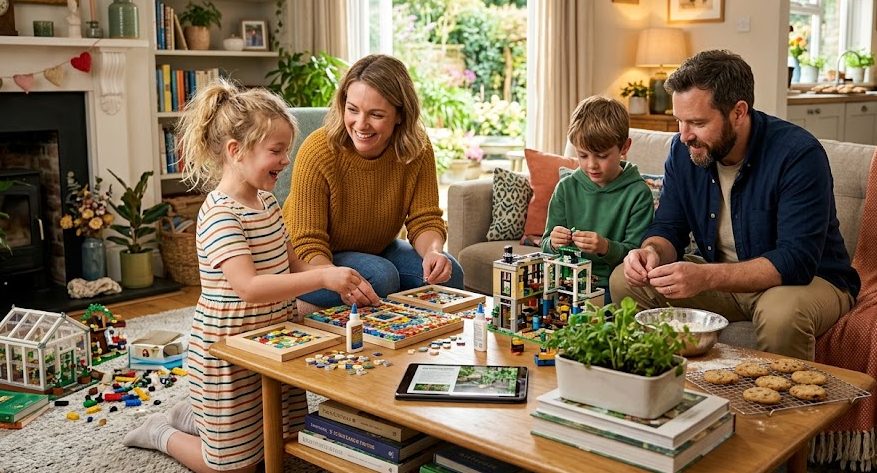
Games can bring energy to an ordinary evening without requiring new purchases. Use familiar board games, cards, puzzles, or simple challenges created from household materials.
Work together on a small puzzle for a set amount of time.
Create a safe, simple activity using familiar objects.
Each person adds one part to a shared story.
Keep the activity friendly and avoid making winning the only goal. Cooperation and participation can make the experience more enjoyable.
4. Try a Simple Creative Activity
Creative projects can be relaxing and give family members a chance to share ideas. Use paper, pencils, cardboard, old magazines, or other materials already available at home.
- Draw a shared picture
- Create a family storybook
- Make a collage from reusable materials
- Design a small sign or decoration for a shared space
5. Make Music, Stories, or Memories Part of the Evening
Music and stories can create a relaxed atmosphere without requiring much preparation. Family members can share a favorite song, tell a story, or discuss a positive memory.
Use old photos or familiar objects to begin a conversation. Allow everyone to participate in their own way.
- Choose one photo and share what you remember
- Tell a story about a favorite family tradition
- Share a song that reminds you of a positive moment
- Ask each person to describe a memorable day
6. Work Together on a Small Home Project
A short household project can become enjoyable when everyone contributes. Choose something with a clear ending, such as organizing a shelf, creating a reading corner, or refreshing a shared area.
Keep the project small enough to complete in one evening. The goal is teamwork, not completing a large list of chores.
- Organize a family photo display
- Create a comfortable reading space
- Sort and label one small storage area
- Arrange a shared activity corner
7. Use a “Choose the Activity” Rotation
Family members may enjoy different activities. A rotation gives everyone a chance to choose and can make participation feel more balanced.
- Monday: One family member chooses a game
- Wednesday: Another person chooses a creative activity
- Friday: Choose a shared activity together
Keep choices realistic and use materials already available when possible.
8. Create a Small Evening Tradition
Repeated activities can become meaningful traditions. A weekly game night, story evening, shared dessert, or family conversation can give everyone something familiar to look forward to.
The tradition does not need to happen perfectly every week. Consistency over time is more important than following a strict schedule.
9. Keep the Evening Comfortable and Flexible
Family members may have different energy levels after a busy day. Offer options that allow both active and quiet participation.
Some evenings may be better for a game, while others may be more suitable for conversation, reading, or a short shared activity. Avoid turning family time into another obligation.
- How much time does everyone have?
- Does the family want an active or quiet activity?
- Can everyone participate comfortably?
- Does the activity require too much preparation?
Conclusion
Ordinary evenings can become enjoyable family time through simple activities that encourage conversation, creativity, teamwork, and shared experiences. A short game, a family story, a small project, or a relaxed meal can create meaningful moments without requiring a large budget or detailed plan.
Start with one easy activity and choose a time that fits naturally into the household routine. Keep the experience flexible and allow family members to suggest ideas.
Over time, small evening activities can become familiar traditions that help family members connect, relax, and create positive memories at home.