Keeping family plans organized can become challenging when everyone follows a different schedule. Parents may have changing work hours, children may attend school or activities, and other family members may have appointments, personal commitments, or responsibilities outside the home. When schedules are managed separately, important details can be missed and daily planning may feel more stressful than necessary.
A practical family planning system can bring important information together without controlling every hour of the day. The goal is to help everyone understand what is happening, prepare for upcoming events, and communicate changes clearly. With a few simple habits, families can stay connected even when their routines look very different.
Start With One Shared Planning Space
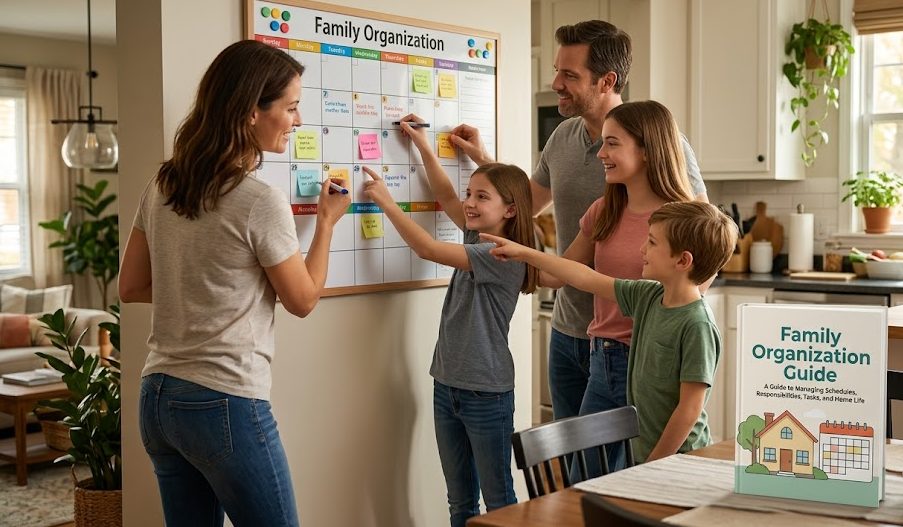
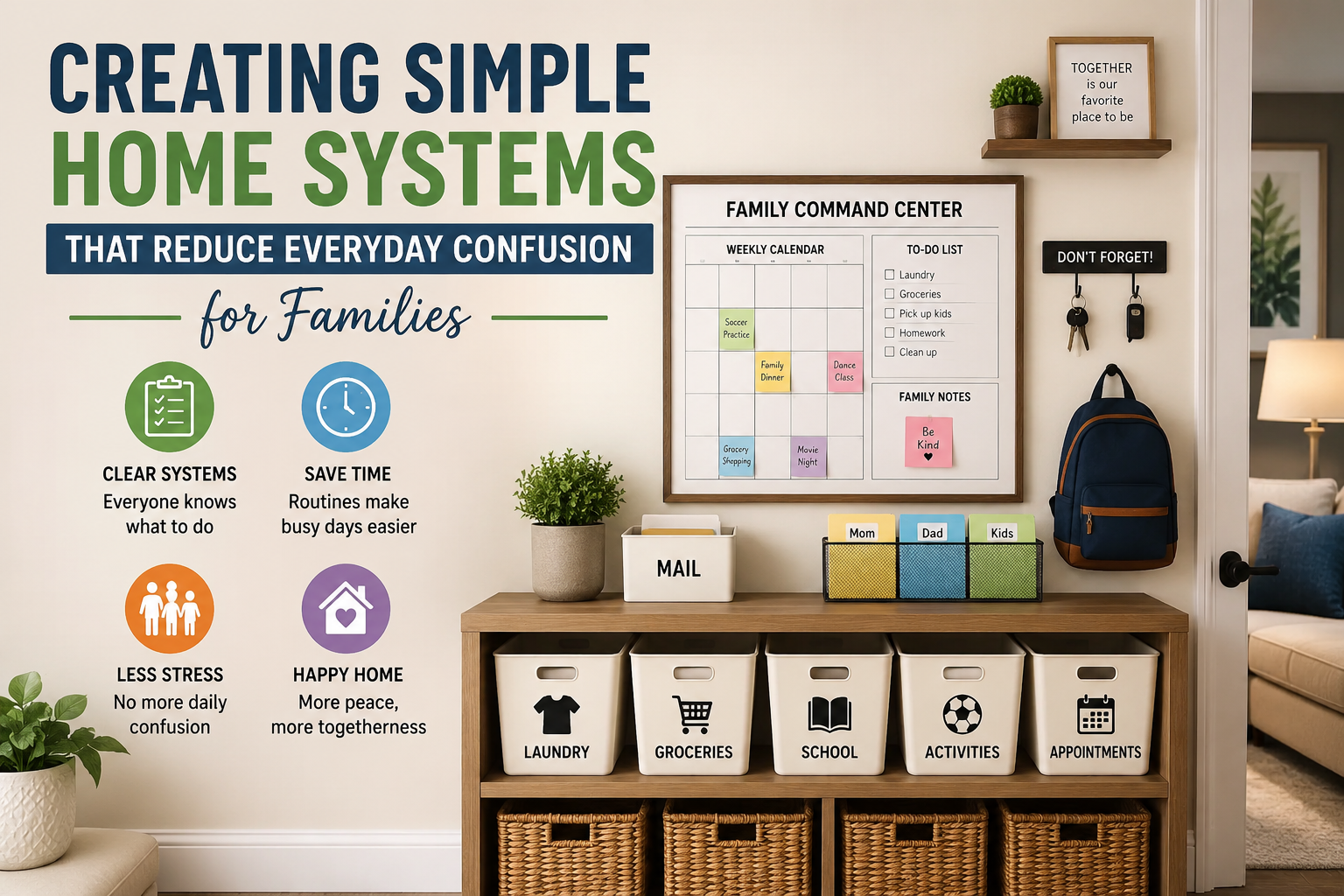
When family information is spread across separate phone calendars, notebooks, messages, and personal reminders, it becomes difficult to see the complete picture. Creating one shared planning space can make schedules easier to understand.
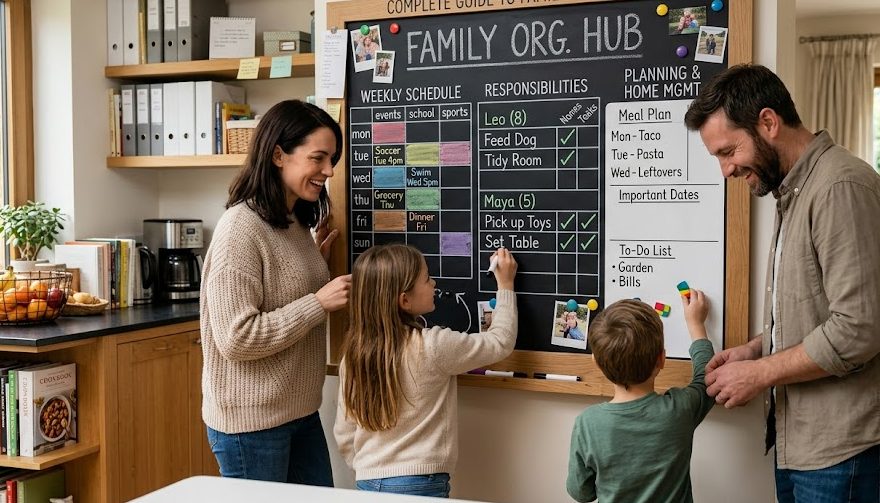
This space may be a wall calendar, a whiteboard, a family planner, a shared digital calendar, or a combination of physical and digital tools. Choose an option that is easy for everyone to access and update.
The shared calendar should include activities that affect other family members, such as school events, work commitments, appointments, family gatherings, travel plans, and important household tasks.
📅 Shared calendar: Important events and time commitments
📝 Weekly plan: Main priorities and household needs
🚗 Transportation notes: Pickups, drop-offs, and travel plans
🏠 Family tasks: Responsibilities that need coordination
Use Colors to Make Schedules Easy to Read
Color coding can make a busy family calendar easier to understand. Each family member can have a separate color, allowing everyone to identify their activities quickly. Another option is to use colors for different types of events.
For example, one color may represent school activities, another may represent work commitments, and another may represent family events. Keep the color system consistent so family members do not need to relearn it each week.
Use colors to improve clarity rather than decorate every part of the calendar. A simple design is often easier to follow.
Hold a Short Weekly Planning Check-In
A short weekly conversation can help family members understand what is coming and prepare for busy periods. Choose a regular time when most people are available, such as Sunday evening or another convenient part of the week.
The check-in can take only ten to fifteen minutes. Review upcoming activities, discuss schedule changes, and identify any situations that may require support or coordination.
Useful questions include:
- What are the most important events this week?
- Does anyone need transportation?
- Are there any schedule conflicts?
- What needs to be prepared in advance?
- Are household responsibilities affected by busy days?
Regular planning can reduce last-minute surprises and make busy weeks feel more manageable.
Separate Personal Plans From Shared Responsibilities
Not every activity needs to be added to the main family calendar. Too much information can make the schedule crowded and difficult to read.
Include events that affect transportation, meals, childcare, household responsibilities, or family availability. Personal activities that do not affect anyone else can remain on an individual calendar.
This approach keeps the shared schedule focused while still allowing each family member to manage private plans independently.
Plan Transportation and Timing Early
Transportation is often one of the most difficult parts of a busy family schedule. School pickups, work hours, appointments, and activities may overlap.
Review transportation needs during the weekly planning session. Identify who is responsible for each trip and note any changes. If transportation is shared, include pickup times and locations clearly.
Allow extra time for travel, traffic, preparation, and unexpected delays. A schedule that leaves no room for change may create unnecessary pressure.
Create a Clear System for Schedule Changes
Schedules often change unexpectedly. An appointment may be moved, a meeting may run late, or an activity may be canceled. Without a clear communication method, one person may know about the change while others continue following the old plan.
Decide how important updates will be shared. A group message, shared calendar notification, or family notice board may be useful. Choose one main method so information does not become scattered.
Update the shared calendar as soon as possible. If a change affects transportation or household responsibilities, make sure the relevant family members are aware.
Assign Responsibilities Clearly
Busy schedules can make household tasks harder to manage. When responsibilities are unclear, tasks may be forgotten or left for one person to complete.
Assign responsibilities based on availability and ability. For example, one person may prepare meals on certain days, while another handles shopping or transportation.
Use clear descriptions instead of general instructions. A schedule entry such as “Prepare dinner – Tuesday” is easier to understand than “Help with food.”
Review responsibilities when schedules change. A plan that worked one month may need adjustments when work, school, or activity commitments increase.
Build in Time for Rest and Family Connection
A well-organized schedule should not contain only tasks and obligations. Families also need time to rest, talk, enjoy shared activities, and recover from busy periods.
Look for small opportunities to protect family connection. A shared meal, short walk, weekend activity, or quiet evening may help family members stay connected even when schedules are different.
Do not feel pressure to schedule every moment. Open time can provide flexibility and reduce the stress caused by unexpected changes.
Use Reminders to Support Independence
Notifications and reminders can be helpful, but they should support the planning system rather than replace it. Each family member can set personal reminders for appointments, school activities, or important tasks.
Encourage everyone to check the shared calendar regularly. Over time, family members can become more independent and rely less on one person to remember every detail.
Use reminders for important events, but avoid sending too many alerts. Excessive notifications may be ignored and become less useful.
Review and Improve the System
Family schedules change over time, so the planning system should be reviewed regularly. Ask family members which parts are useful and which parts create confusion.
If the calendar is too crowded, remove unnecessary information. If events are often missed, consider using clearer labels or additional reminders. Small improvements can make the system easier to maintain.
The goal is not to create a perfect schedule. It is to create a practical system that helps the family communicate and prepare.
Conclusion
Keeping family plans organized becomes easier when everyone has access to one clear schedule and understands how important information is shared. A shared calendar, simple color system, short weekly check-in, and clear responsibilities can reduce confusion during busy weeks.
Families do not need to follow identical routines to stay organized. The planning system should respect individual schedules while making shared commitments visible.
Start with one practical tool, keep information clear, and adjust the system as family needs change. With regular communication and simple planning habits, families can manage different schedules while staying informed, prepared, and connected.