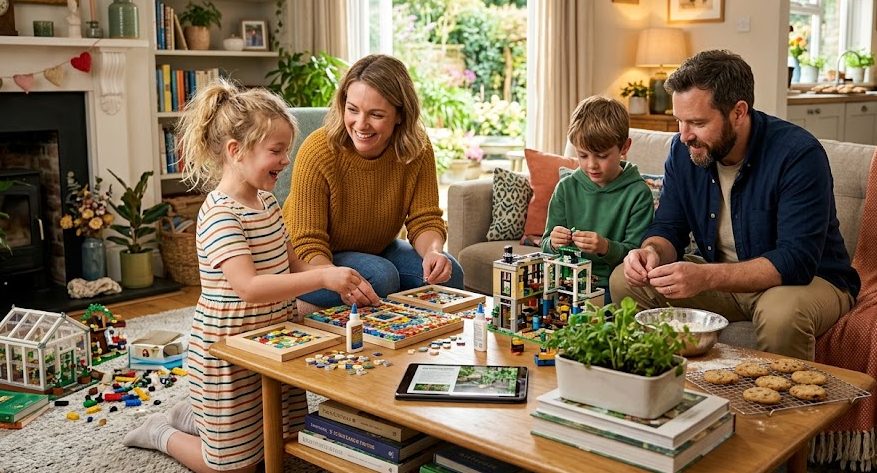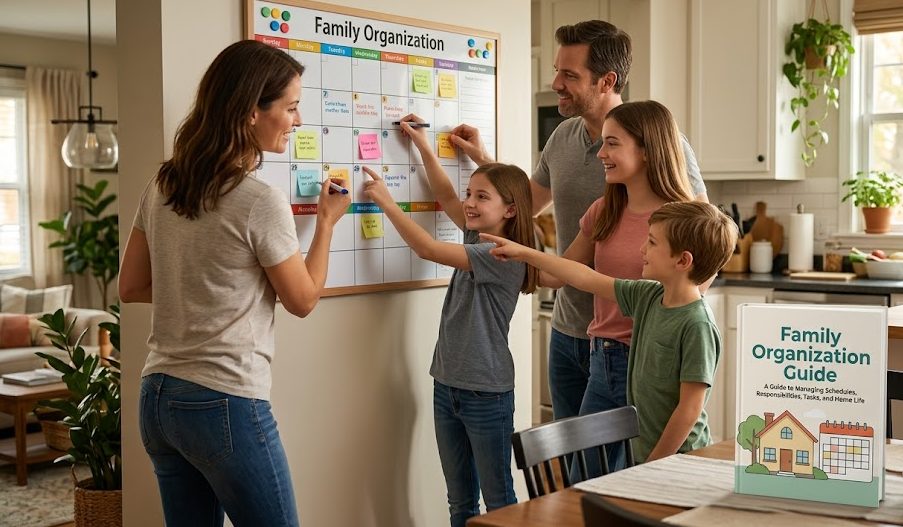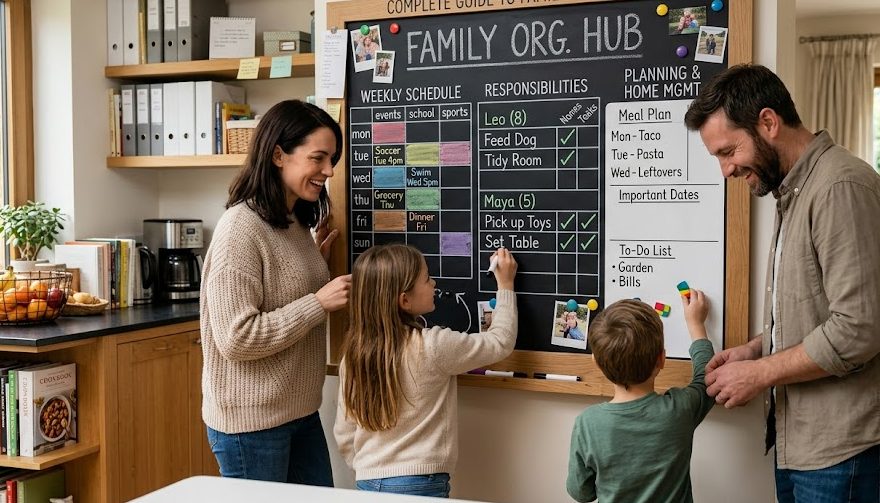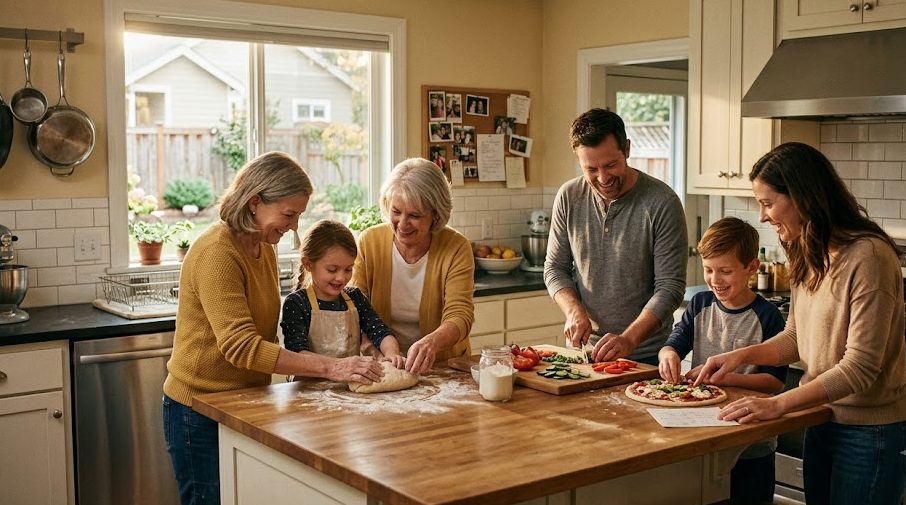
Family time does not always need an expensive outing, a detailed vacation plan, or a special occasion. Some of the most meaningful family memories can come from ordinary moments spent together at home. Cooking a meal, playing a simple game, working on a small project, sharing stories, or creating a relaxed evening routine can give family members opportunities to talk, laugh, cooperate, and understand one another better.
Modern family schedules can become surprisingly busy. Work, school, household responsibilities, personal interests, and digital devices can easily divide everyone’s attention. Because of this, intentionally creating shared activities can help families make room for connection without requiring major changes to their schedules.
The best activities are usually simple enough for everyone to participate in and flexible enough to fit different ages and interests. The purpose is not to create perfect family moments. It is to spend meaningful time together in a comfortable environment.
Choose activities that encourage conversation, cooperation, creativity, or shared enjoyment rather than activities that require everyone to perform perfectly.
Cook Something Together
Cooking is one of the easiest ways to turn an ordinary household task into shared family time. A meal does not need to be complicated. Pizza, sandwiches, homemade snacks, pancakes, salads, or a family favorite can all become opportunities to work together.
Different family members can take different responsibilities based on their age and abilities. One person might prepare ingredients while another mixes, arranges, measures, or sets the table.
Cooking together also creates natural opportunities for conversation. Instead of forcing a formal discussion, people can talk while their hands are occupied with a shared activity.
Pick a simple recipe everyone can enjoy.
Divide safe and suitable kitchen tasks.
Sit down and enjoy what you created.
Create a Family Game Night
Board games, card games, puzzles, trivia, and simple guessing games can bring family members together without requiring much preparation. The best choice depends on the ages and interests of the people participating.
Keep competition friendly. If younger children are involved, games with simple rules may be more enjoyable than activities that require advanced strategy.
You can also create your own games using household objects. For example, families can organize a trivia challenge, drawing competition, word game, or memory activity.
Low-preparation game ideas
Have a Screen-Free Conversation Hour
Family members can be physically together while still being mentally separated by phones, television, or other devices. Creating an occasional screen-free period can give everyone more space to communicate.
This does not need to become a strict rule. Choose a convenient time, put unnecessary devices aside, and simply talk. Families can discuss their week, interesting experiences, upcoming plans, funny memories, or things they are currently learning.
Conversation starters
💬 What was the most interesting part of your day?
💬 What is something you are looking forward to?
💬 What new thing did you learn recently?
💬 What is one place you would like the family to visit?
💬 What was a funny moment from this week?
“`Start a Small Home Garden
Gardening can become an enjoyable family project, even when there is limited outdoor space. Containers, pots, balconies, windowsills, or small garden areas can provide opportunities to grow herbs, flowers, vegetables, or other suitable plants.
Children can help with simple tasks such as watering, observing growth, labeling plants, or recording changes. Adults can handle tasks that require tools or additional care.
The real benefit is not simply growing plants. Families can observe progress over time and develop a shared project that gives everyone something to care for.
Choose easy plants for your space.
Share simple maintenance tasks.
Watch and record the changes.
Plan a Family Movie Evening
A movie evening can be a simple way to create shared downtime. Instead of one person always deciding what to watch, rotate the responsibility so different family members can suggest options.
Add a small shared element, such as preparing snacks together or discussing the movie afterward. The conversation before and after the film can sometimes become more memorable than the viewing itself.
Choose age-appropriate content and consider the interests and comfort levels of everyone participating.
Make movie night more interactive
Work on a Creative Family Project
Creative projects give family members a chance to contribute different ideas. The project could involve painting, decorating a room, making a photo display, creating handmade cards, building a simple craft, or designing something useful for the home.
There is no need for everyone to have the same skill level. In fact, differences in ability can make the project more interesting because each person can contribute in a different way.
Family project formula
Choose → Divide → Create → Share
Pick one manageable project, divide responsibilities, work together, and take time to appreciate the finished result.
“`Turn Household Chores Into Team Activities
Household chores may not sound like entertainment, but they can become more enjoyable when approached as a shared activity. Cleaning a room, organizing a storage area, preparing the dining table, or arranging a garden can become a small team challenge.
Put on suitable music, divide the work fairly, and focus on completing one clear objective. The point is not to turn every chore into a game but to make necessary responsibilities feel less isolated.
Children can participate in age-appropriate household tasks, helping them develop practical skills while contributing to the family environment.
Create a Family Reading Routine
Reading together can be a calm alternative to highly active entertainment. Family members can read different books in the same room or take turns reading a suitable story aloud.
After reading, talk about interesting characters, ideas, facts, or surprising moments. This can make reading more interactive without turning it into a formal lesson.
Simple reading formats
📖 Everyone reads their own book quietly.
📚 One person reads aloud while others listen.
💡 Family members share something interesting they discovered.
🔄 Rotate who chooses the next story.
“`Have a Family Cooking Challenge
For families who enjoy food, a friendly cooking challenge can create plenty of laughter and teamwork. Choose a simple theme and allow family members to create their own version of a snack, sandwich, salad, or dessert.
The activity does not need to be judged seriously. You could simply discuss which idea was the most creative, easiest to prepare, or most visually interesting.
Always keep kitchen safety in mind, especially when children are involved. Adults should handle tasks involving sharp tools, hot surfaces, or other potential hazards when appropriate.
Create a Family Memory Box
A memory box can become a long-term family project. Store small items that represent meaningful moments, such as printed photographs, handwritten notes, tickets, drawings, or other appropriate keepsakes.
Families can add something occasionally and review the collection together later. Looking through older memories naturally creates conversations about places visited, funny experiences, celebrations, and changes over the years.
Ideas for your memory box
Explore the Neighborhood Together
Family activities do not have to stay entirely indoors. A short walk around the neighborhood, visit to a local park, bicycle ride, or casual outdoor activity can provide a change of scenery without requiring a major trip.
During the outing, encourage everyone to notice something new. Families can photograph interesting sights, identify plants, visit a nearby public space, or simply talk while walking.
Keep the activity suitable for the family’s abilities and local conditions, and choose safe, appropriate locations.
Make a Family “Try Something New” Day
Repeating the same activities can be comfortable, but occasionally trying something new can create memorable experiences. Choose one activity that nobody in the family has tried before.
It could be a new recipe, craft, puzzle, gardening technique, drawing style, educational activity, or simple hobby. The focus should be on exploration rather than being immediately good at the activity.
The “new experience” basket
Write several simple activity ideas on separate pieces of paper and place them in a container. When the family wants something different, choose one idea at random.
This removes the pressure of repeatedly deciding what to do and can introduce activities that nobody would have considered otherwise.
“`Create a Family Appreciation Moment
Connection is not only built through entertainment. Families can also create small moments where members recognize the positive things others have done.
During dinner or another shared moment, each person could mention something they appreciated during the day. It might be a helpful action, a funny moment, or simply something that made the day better.
Keeping this informal can make it easier for everyone to participate without feeling pressured.
“What is one small thing someone in the family did today that you appreciated?”
“`Let Family Members Take Turns Choosing
Family activities become more inclusive when everyone gets opportunities to make decisions. If one person always chooses the movie, game, meal, or outing, other members may gradually become less interested.
Create a simple rotation. One person chooses this week’s activity, another chooses the next, and so on. This encourages participation and gives everyone a sense of ownership.
A simple rotation
Person A chooses
Person B chooses
Person C chooses
Family chooses together
Keep Activities Simple and Repeatable
A family does not need a different elaborate activity every weekend. Repeating a favorite tradition can actually make family time more meaningful. A weekly breakfast, Friday game night, weekend cooking session, evening walk, or shared reading period can become something everyone looks forward to.
Traditions also create predictable opportunities for connection. They do not need to be expensive or complicated; consistency is often more important.
Easy traditions to consider
Respect Different Interests
Not every family member will enjoy the same activities. One person may love cooking while another prefers puzzles, outdoor activities, music, crafts, or reading.
The goal is not to make everyone love every activity. Instead, rotate different types of experiences so that everyone occasionally participates in something they genuinely enjoy.
It can also be useful to allow family members to opt out occasionally. Healthy family connection does not require every person to participate in every activity.
A Simple Family Activity Planner
Spend a few minutes talking about the week ahead.
Try a short creative activity or shared household project.
Enjoy a game, movie, puzzle, or another relaxed activity.
Cook together, garden, walk, or try something new.
What Makes Family Activities Truly Valuable?
The quality of family time is usually more important than the cost or complexity of the activity. A simple game can create more connection than an expensive outing if everyone is genuinely involved.
Good activities provide opportunities for family members to communicate, cooperate, laugh, learn, or simply enjoy being together. They also create shared experiences that can become part of the family’s history.
Avoid turning every activity into a competition or achievement. Sometimes the most valuable part is simply having everyone’s attention in the same place for a while.
Remember the four C’s
Talk and listen.
Work toward something together.
Make or discover something.
Enjoy the experience.
Small Moments Can Become Lasting Memories
Bringing a family closer does not require a complicated schedule or a large entertainment budget. Often, connection develops through ordinary activities that give people a reason to spend time together. Cooking dinner, playing a game, tending plants, reading, talking, creating something, or taking a simple walk can all become meaningful family experiences.
The most important part is participation. Put away unnecessary distractions when possible, give everyone opportunities to contribute, and choose activities that match the family’s interests and circumstances.
It is also important to keep expectations realistic. Family members will sometimes be tired, busy, distracted, or simply not interested in a particular activity. That is normal. A successful family routine leaves room for flexibility instead of demanding perfect participation every time.
Over time, repeated activities can turn into traditions. A weekly game night, weekend breakfast, family cooking session, garden project, or evening walk may eventually become something everyone remembers fondly.
Ultimately, family connection is built through attention, shared experiences, conversation, and consistency. You do not need to wait for a holiday or special event to create those moments. Start with something simple, invite everyone to participate, and let the memories develop naturally.
“`