A home plan can make everyday life easier by giving family members a clear idea of what needs to happen during the week. However, even the most organized schedule can change unexpectedly. A work commitment may run late, a school activity may be moved, an appointment may be canceled, or an unplanned household task may require immediate attention.
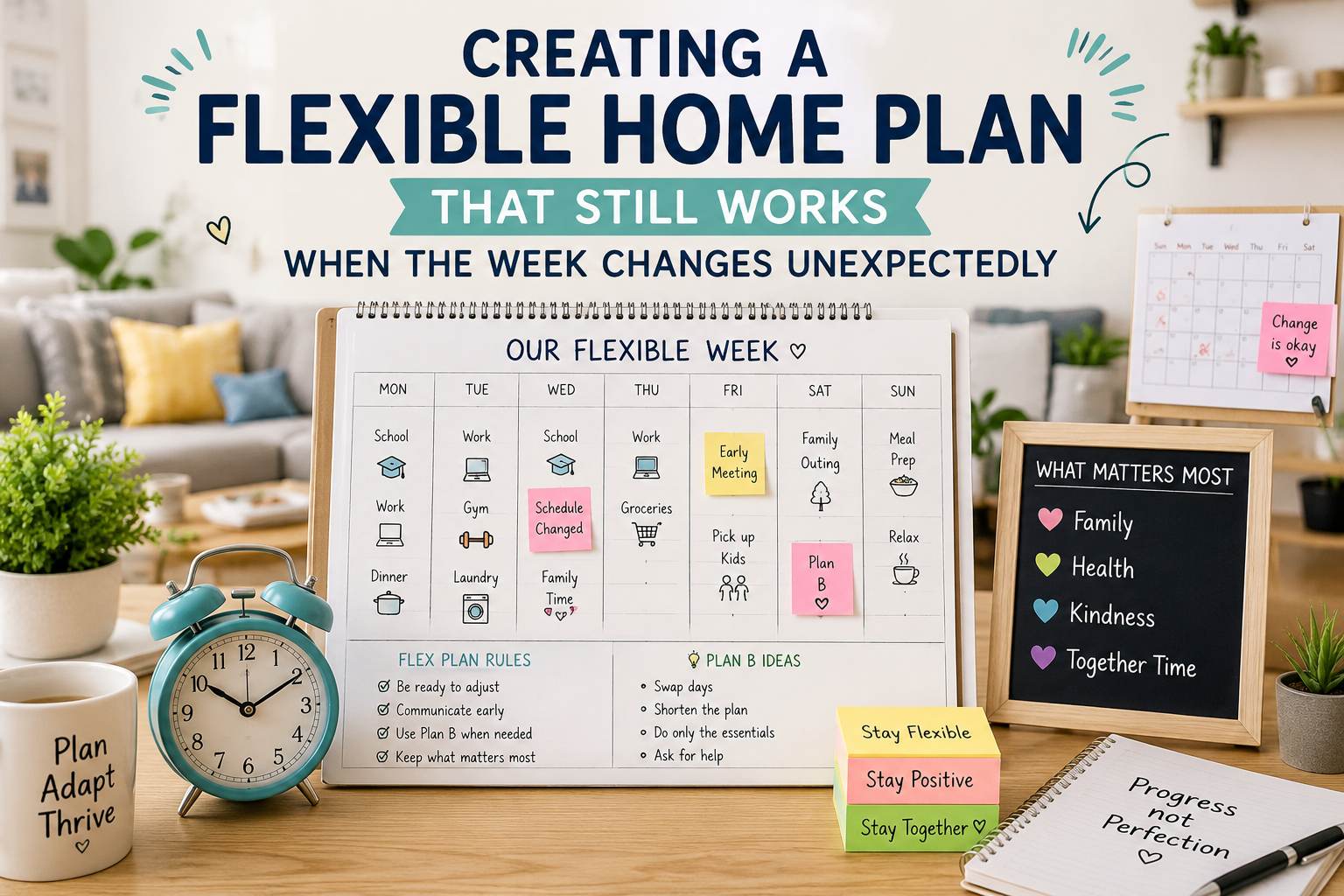
A flexible home plan is designed to provide structure without becoming difficult to follow when plans change. Instead of organizing every hour, it focuses on priorities, shared responsibilities, and simple routines that can be adjusted. The goal is to help the household stay organized while leaving enough room for real life.
1. Focus on Weekly Priorities Instead of Every Hour
Trying to schedule every part of the week can make a home plan difficult to maintain. When one event changes, the entire schedule may need to be reorganized.
Begin by identifying the most important responsibilities. These may include work commitments, school activities, appointments, essential household tasks, and family events. Place these priorities on the schedule first.
After adding important commitments, leave open periods for flexible tasks. This gives the household room to respond when plans change without creating immediate pressure.
- Essential: Tasks that must happen during the week
- Important: Tasks that should be completed when possible
- Flexible: Tasks that can be moved to another day
2. Keep Open Time in the Weekly Schedule
Open time is one of the most useful parts of a flexible plan. It provides space for delays, extra responsibilities, travel, rest, and unexpected events.
Avoid filling every evening or weekend period with tasks. If the week becomes busier than expected, open time can be used to complete important work. If no changes occur, it can become time for rest or family activities.
3. Use Flexible Time Blocks
Time blocks can provide structure without requiring an exact schedule. Instead of assigning every task to a specific minute, group similar activities into broader periods.
For example, an evening block may include dinner preparation, household tasks, school preparation, and personal time. Family members can complete these activities in an order that works for their schedules.
Preparation, meals, and leaving-home routines.
Work, school, appointments, and essential tasks.
Meals, home tasks, preparation, and rest.
Time blocks make it easier to move activities when one part of the day changes.
4. Create a Clear System for Changes
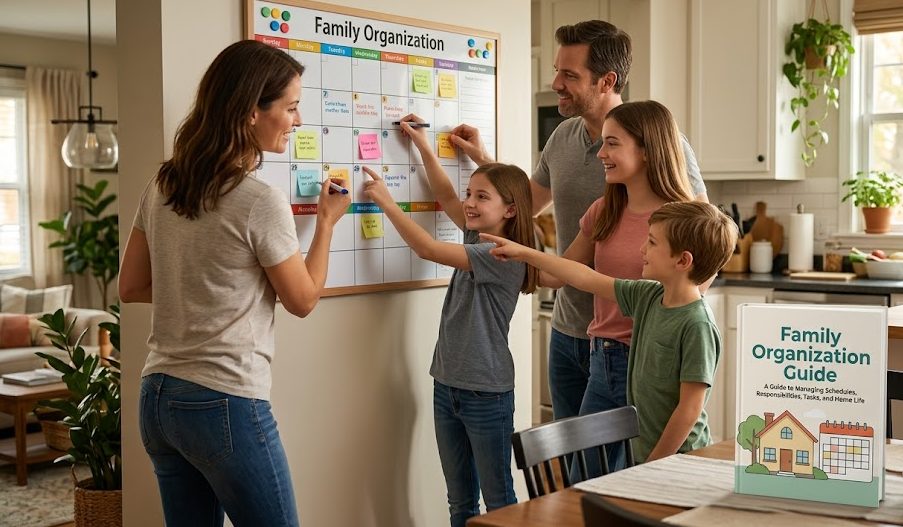
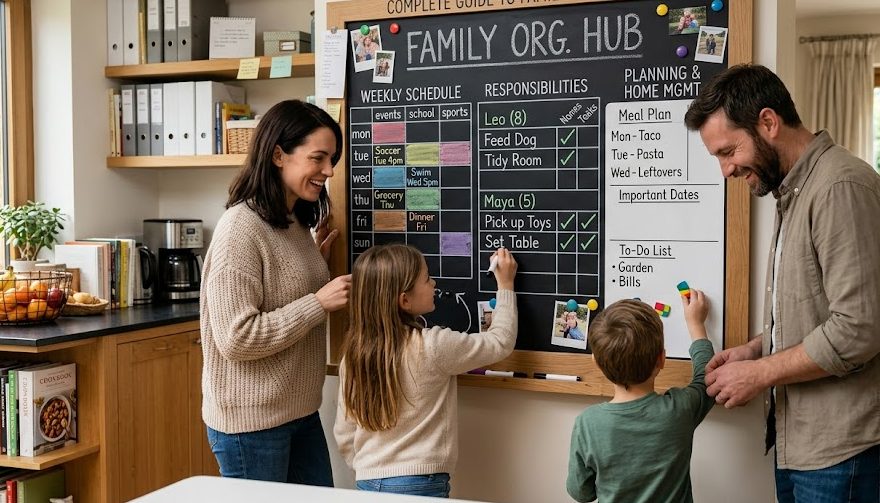
Unexpected changes are easier to manage when family members know how updates will be shared. Decide on one main communication method, such as a shared calendar, family message group, or visible notice board.
When an important plan changes, update the shared system as soon as possible. Include the new time, location, or responsibility when relevant.
A clear update process prevents one family member from knowing about a change while others continue following the previous plan.
5. Build Backup Options for Important Tasks
Some household responsibilities cannot be delayed. Meals, transportation, childcare, and urgent home needs may require a backup plan.
Identify tasks that may need an alternative arrangement. For example, if the person responsible for shopping becomes unavailable, another family member may complete the task or use a prepared shopping list.
- Keep a basic list of easy meal options
- Maintain an updated household shopping list
- Share important contact information
- Prepare alternative transportation options
- Keep essential supplies available
6. Avoid Assigning Too Much to One Person
When plans change, one person may automatically take responsibility for reorganizing everything. Over time, this can create stress and make the household dependent on one person’s planning.
Share responsibilities by giving family members ownership of different areas. One person may update the calendar, another may manage the shopping list, and others may handle specific household tasks.
Clear shared responsibilities make it easier to adjust plans without placing all the work on one person.
7. Use a Short Daily Check-In
A brief daily check-in can help the family notice changes before they create problems. This does not need to be a formal meeting. A quick conversation during a meal or at the end of the day may be enough.
Review the next day’s main events, transportation needs, and important tasks. If something has changed, update the plan before the day begins.
- What is the most important activity tomorrow?
- Has anyone’s schedule changed?
- Does anyone need help or transportation?
- What should be prepared tonight?
8. Keep a Short List of Moveable Tasks
Some tasks are useful but do not need to happen on a specific day. Keep these activities on a separate flexible list.
Examples may include organizing a closet, sorting household papers, cleaning a storage area, or completing a small home project. These tasks can be completed when extra time becomes available.
A flexible task list prevents less urgent work from interfering with important responsibilities.
9. Review the Week Without Judging Every Change
At the end of the week, spend a few minutes reviewing what worked. Some tasks may have been moved or left unfinished, and that does not necessarily mean the plan failed.
Ask whether the schedule included enough open time, whether responsibilities were balanced, and whether communication was clear. Use the answers to improve the next week’s plan.
- Which parts of the plan worked well?
- Where did unexpected changes create difficulty?
- Was there enough time for essential tasks?
- What should be simplified next week?
Conclusion
A flexible home plan provides useful structure while allowing family life to change. By focusing on priorities, keeping open time, using flexible time blocks, and sharing responsibilities, families can respond to unexpected events without losing control of the entire week.
The goal is not to follow a perfect schedule. It is to create a system that supports the household during both predictable and unpredictable days.
Start with a few important priorities, leave room for adjustments, and review the plan regularly. Over time, flexible planning can make busy weeks feel more organized, manageable, and less stressful for everyone.