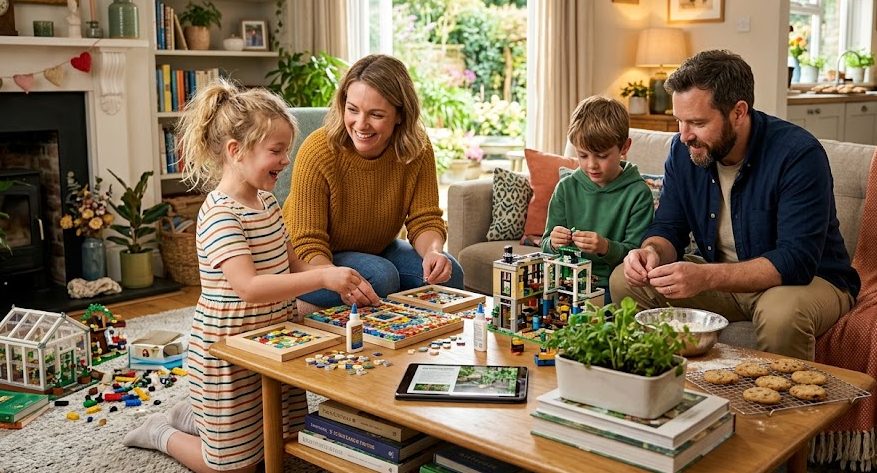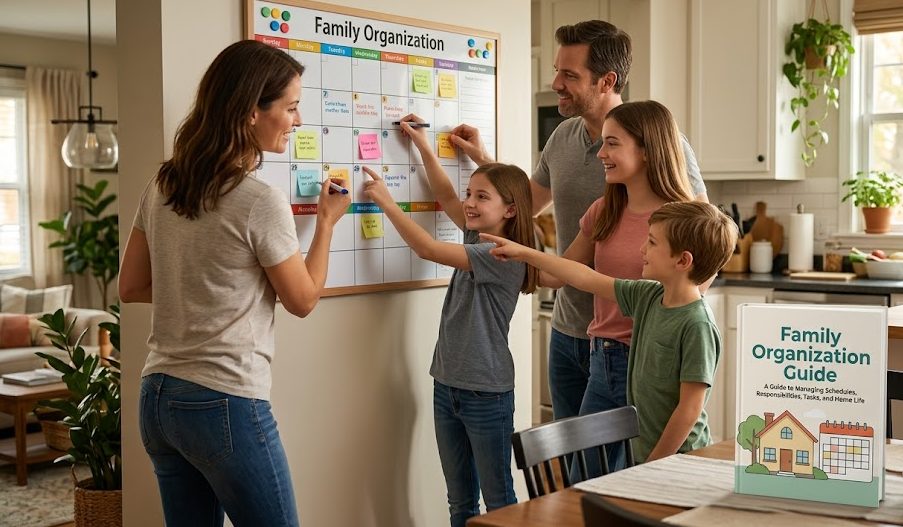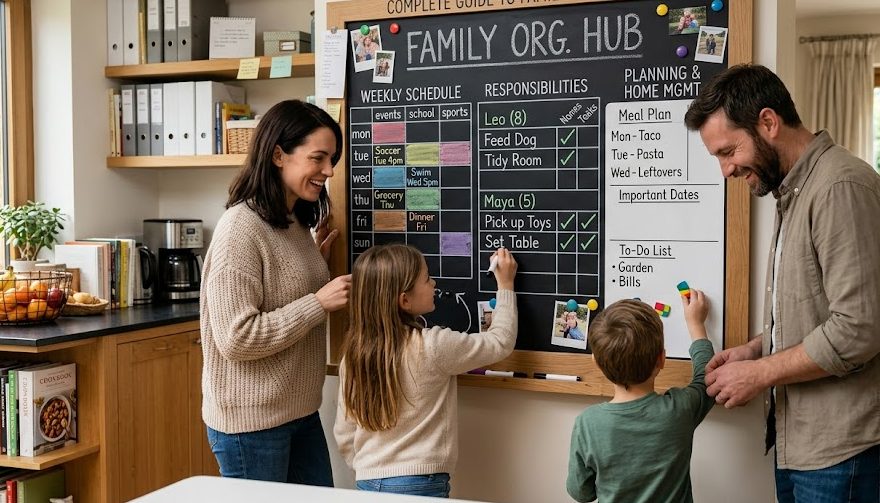
A weekly home activity can become a simple tradition that gives family members something enjoyable to anticipate. It does not need to be expensive, highly organized, or different every week. A familiar activity can create a regular opportunity to spend time together, share interests, and take a break from the usual responsibilities of school, work, and household life.
The strongest traditions are often easy to repeat. A family game, shared meal, creative project, story evening, or home activity can become meaningful through regular participation. The goal is not to create a perfect event. It is to establish a comfortable routine that fits the family’s schedule and remains enjoyable over time.
1. Choose a Time That Usually Works
Start by looking at the family’s regular schedule. Choose a day or time when most people are available and when the activity is unlikely to create additional pressure.
The tradition does not need to happen at the same exact hour every week. A flexible time window may work better when school, work, or other responsibilities change.
- A relaxed evening after dinner
- A weekend morning
- A weekend afternoon
- A short activity before the new week begins
2. Choose an Activity Everyone Can Enjoy
Family members may have different interests, ages, and energy levels. Look for an activity that allows everyone to participate in some way.
The activity does not need to be the same each week. A broader theme can provide variety while keeping the tradition familiar.
Board games, cards, puzzles, or simple challenges.
Drawing, crafts, stories, or shared projects.
Preparing a familiar meal or simple snack together.
Reading, sharing memories, or creating stories.
3. Keep Preparation Easy
A tradition is easier to maintain when it does not require extensive planning. Use materials already available and avoid creating a long preparation list.
Keep frequently used supplies in one place. If the activity needs setup, divide the preparation among family members.
- Store games and activity materials together
- Choose the activity a day or two in advance
- Prepare simple snacks when useful
- Share setup responsibilities
4. Create a Simple Weekly Rotation
A rotation can prevent the tradition from becoming repetitive while keeping the planning process easy. Assign a different activity theme to each week or allow family members to take turns choosing.
- Week One: Family game or puzzle
- Week Two: Cooking or food activity
- Week Three: Creative project
- Week Four: Stories, memories, or conversation
The family can repeat favorite activities or change the rotation when interests shift.
5. Give Everyone a Chance to Choose
Allowing family members to suggest activities can increase interest and participation. Use a rotation so each person has an opportunity to choose.
Keep choices practical by setting simple limits, such as using available materials or selecting an activity that fits the time window.
- Take turns choosing the weekly activity
- Keep an idea list in a shared place
- Vote when several ideas are available
- Save unused ideas for future weeks
6. Add a Small Familiar Detail
A simple repeated detail can make the activity feel like a tradition. It may be a favorite snack, a shared opening question, a specific music playlist, or a familiar way of beginning.
The detail should be easy to repeat and should not create extra work.
- Start by sharing one positive moment
- Prepare a simple family snack
- Use a special activity basket
- End by choosing an idea for next week
7. Keep the Tradition Flexible
Some weeks may be busy or include unexpected changes. The tradition can be shortened, moved, or simplified rather than canceled completely.
A short conversation, quick game, or simple shared activity can keep the tradition active during a busy period.
8. Make Room for Conversation
Activities can create natural opportunities to talk. Avoid making every moment focused on completing the task. Leave space for family members to share ideas, stories, and experiences.
- What was a positive part of the week?
- What is something you would like to try?
- What made you laugh recently?
- What activity should the family repeat?
9. Review and Refresh the Tradition
After several weeks, ask whether the activity still feels enjoyable. Keep favorite elements and change parts that have become difficult or repetitive.
- What part of the tradition do we enjoy most?
- Is the timing still practical?
- Does everyone have a chance to participate?
- Should the activity rotation change?
- What would make the tradition easier to continue?
Conclusion
A weekly home activity tradition can create a reliable opportunity for family members to connect and enjoy time together. The activity does not need to be expensive or highly organized. A simple game, shared meal, creative project, or conversation can become meaningful through regular participation.
Choose a realistic time, keep preparation easy, and allow everyone to contribute ideas. Use a flexible rotation so the tradition remains interesting without becoming difficult to manage.
Over time, a small weekly activity can become a familiar part of family life and create positive experiences that everyone can look forward to.