Build a Daily Routine That Makes Your Day Easier
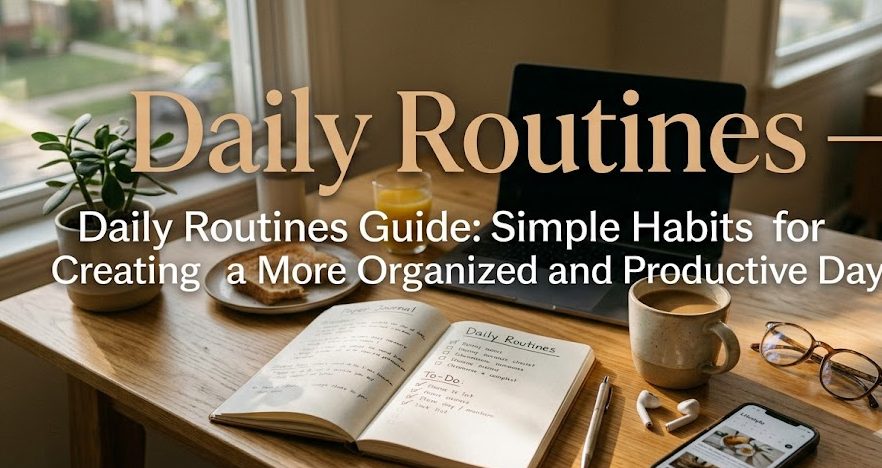
A good daily routine gives your day a simple structure without making every minute feel scheduled. The right habits can help you organize important tasks manage your time prepare for the next day and create space for rest and personal activities.
Why a Daily Routine Is Useful
Without a basic routine it is easy to move from one task to another without knowing what should receive attention first. A simple routine creates a framework for the day. It can help you decide when to work when to take breaks when to handle household responsibilities and when to prepare for tomorrow.
Know What Comes Next
A predictable order of activities can make everyday decisions easier. You can create a morning routine a work routine and an evening routine that fit naturally into your schedule.
Protect Important Time
Give important tasks a clear place in your day. When priorities are visible it becomes easier to avoid spending too much time on less important activities.
Leave Room to Reset
A useful routine should include breaks meals personal activities and enough flexibility for unexpected responsibilities.
10 Simple Habits for a Better Daily Routine
Wake Up at a Consistent Time
Try to keep a reasonably consistent wake up time on most days. A predictable start can make the rest of the morning easier to organize and can give you time to prepare before your main responsibilities begin.
Start With a Simple Morning Plan
Avoid beginning the day by immediately reacting to every message or notification. Take a few minutes to review your schedule and identify the main things you want to complete.
Write Down Your Priorities
A short written list can help you remember important tasks. Choose the most useful tasks for the day instead of creating a huge list that becomes difficult to finish.
Use Time Blocks
Give different types of work their own time blocks. You might reserve one period for focused work another for communication and another for routine responsibilities.
Keep Your Workspace Organized
A clean workspace can make it easier to begin your next task. Keep frequently used items close and return things to their normal places after use.
Take Regular Breaks
Breaks give you an opportunity to step away from a task and change your activity. Even a short pause can help create a useful transition between different parts of the day.
Prepare Things in Advance
Preparing clothes meals documents or work materials in advance can reduce unnecessary decisions later. Evening preparation can make the next morning feel more organized.
Limit Unnecessary Distractions
Notifications social media and unrelated browsing can interrupt your routine. Decide when you will check messages instead of allowing every alert to change your attention.
Keep an Evening Reset
Spend a few minutes at the end of the day putting things back in place and reviewing unfinished tasks. This simple reset can make the next day easier to start.
Review and Improve Your Routine
Your routine does not need to remain the same forever. Review it regularly and remove habits that do not help. Add new habits only when they have a clear purpose.
A Balanced Day From Morning to Evening
Start Slowly
Wake up prepare yourself have breakfast and review the main priorities for the day.
Focus
Work on an important task before spending too much time on low priority activities.
Connect
Handle messages meetings household tasks or other routine responsibilities.
Complete
Finish remaining priorities and check what still needs attention before the day ends.
Reset
Step away from work and prepare your space and priorities for the following day.
Daily Routine Checklist
You do not need to follow every habit perfectly. Use this checklist as a simple reminder and adjust it according to your lifestyle.
What Can Make a Routine Difficult
Making the Routine Too Complicated
A routine with too many rules can become difficult to follow. Start with a few useful habits and allow the system to grow naturally.
- Choose a few important habits
- Keep the schedule realistic
- Leave space for unexpected tasks
Trying to Make Every Day Perfect
Some days will be different because of appointments work deadlines family responsibilities or other changes. A good routine should be flexible enough to handle those situations.
- Move tasks when necessary
- Return to the routine after busy days
- Focus on consistency rather than perfection
Start With One Small Change
You do not have to rebuild your entire day at once. Choose one habit that would make your day easier and repeat it consistently. Once it becomes familiar add another useful habit. Over time these small changes can become a natural part of your daily routine.
Create a Routine That Fits Your Real Life
An effective daily routine should make your life more organized without making it feel unnecessarily strict. Start by deciding what matters most during your day. Give important tasks a clear place and include time for breaks meals personal responsibilities and rest. Keep your workspace organized and prepare for tomorrow before ending the day. Most importantly allow your routine to change when your responsibilities change. The best routine is one that you can follow consistently and that helps your day feel easier to manage.