Making Everyday Life More Enjoyable Through Simple, Meaningful Activities
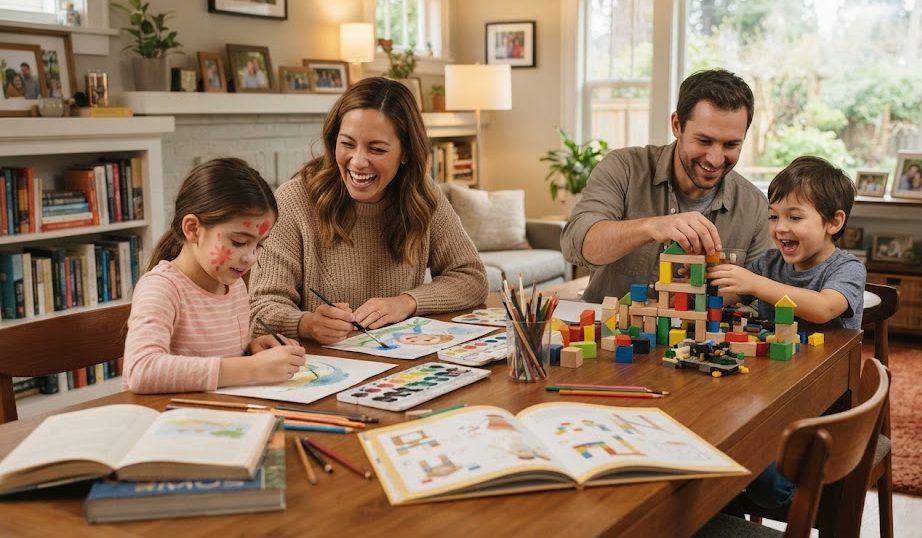
Quality time does not always require expensive plans, long vacations, or complicated entertainment. Some of the most enjoyable moments can come from simple conversations, shared meals, creative hobbies, outdoor activities, and small changes to an ordinary routine. The key is to be present and intentional with the time available.
Why Quality Time Matters in Everyday Life
Modern routines can become surprisingly repetitive. Work, household responsibilities, commuting, study, shopping, digital notifications, and other obligations can fill most of the day before there is much time left for relaxation. When free time finally arrives, it can be tempting to spend it scrolling through a phone or watching whatever appears on a screen.
Technology and entertainment are not necessarily problems, but relying on passive activities for every break can make free time feel less memorable. Quality time provides an opportunity to interact, create, explore, learn, or simply slow down. It can also make relationships stronger because meaningful conversations and shared experiences create memories that ordinary routines sometimes do not.
The best approach is not to create a perfectly planned schedule. Instead, it is useful to have several simple activities available so that different days can have different types of enjoyment.
Simple Ideas for Spending Better Time Together
Choose a simple recipe and prepare it together. One person can handle preparation while another manages cooking or presentation. The activity creates natural conversation and turns an ordinary meal into a shared experience.
A short walk after dinner can provide a refreshing break from indoor routines. Leave phones aside when possible and use the time to talk, observe the neighborhood, or simply enjoy being outside.
Instead of watching something randomly, choose a movie in advance, prepare a few snacks, and create a comfortable viewing space. Even a familiar activity can feel special when it becomes an intentional event.
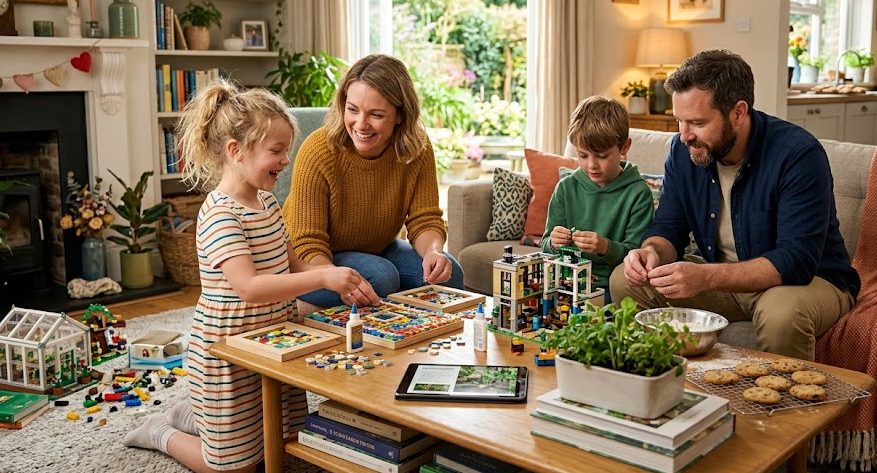
Games encourage interaction and friendly competition. They can work especially well for families because people of different ages can participate together without needing expensive equipment.
Enjoying Time Alone Can Be Just as Valuable
Quality time is not limited to spending time with other people. Personal time can also become more meaningful when it is used intentionally. A quiet hour can be an opportunity to read, organize a personal project, practice a hobby, exercise, write, listen to music, or simply sit without constant digital stimulation.
“`Create a Personal Hobby Hour
Choose one activity that genuinely interests you and give it regular attention. Photography, drawing, gardening, cooking, reading, music, puzzles, crafts, writing, or learning a new skill can all turn spare time into something productive and enjoyable.
Protect Some Quiet Time
Not every free moment needs entertainment. Sitting with a cup of tea, looking outside, listening to relaxing music, or simply thinking without interruptions can provide a useful mental break from a busy schedule.
Turn Ordinary Weekend Time Into a Small Adventure
Weekends often disappear quickly because people postpone enjoyable activities until they have a large amount of free time. A better approach can be to plan small experiences that fit naturally into the day. This does not require travelling far or spending a lot of money.
“`Explore Somewhere Nearby
Visit a park, local market, museum, public garden, bookstore, walking trail, café, community event, or another place you have never properly explored. The purpose is not necessarily to find a spectacular destination. It is simply to change the environment and experience something different.
Try a New Food Experience
Prepare a dish from another region, visit a restaurant you have never tried, or create a themed dinner at home. Food provides an easy way to introduce variety into a familiar routine.
Start a Small Weekend Project
Rearrange a room, create a small garden area, organize photographs, build something simple, or work on a creative project. Finishing something tangible can make a weekend feel more satisfying than spending the entire day consuming entertainment.
Make Conversations More Meaningful
One of the easiest ways to improve quality time is to improve the quality of conversation. Instead of discussing only schedules, bills, work, or daily problems, ask questions that encourage people to share experiences, ideas, plans, memories, and interests. A simple question about something they enjoyed recently can sometimes create a much better conversation than asking what happened during the day.
Creative Activities That Can Bring More Fun Into the Week
Creative activities can make ordinary evenings more interesting because they give people something to build or experiment with. The activity does not need to produce professional results. The experience itself is what makes it worthwhile.
“`Choose a simple theme such as doors, shadows, food, plants, buildings, or interesting colors. Spend an hour taking photographs based on that theme and compare the results afterward.
Try sketching, painting, paper crafts, decorating, or another simple art activity. Everyone can create something different without worrying about producing perfect work.
Create a shared playlist where everyone contributes a few favorite songs. Take turns explaining why each song is meaningful or memorable.
Pick a topic that interests everyone and spend an hour learning about it. The subject could be history, technology, cooking, geography, design, nature, or another area of curiosity.
A Simple Daily Rhythm for More Enjoyable Time
Enjoyment does not have to wait for weekends. A small amount of intentional time can be added to an ordinary weekday. The following example shows how simple activities can fit around a normal schedule without requiring major changes.
“`How to Make Free Time Feel More Valuable
One common problem with free time is that too many choices can make it difficult to decide what to do. Creating a small personal list of enjoyable activities can solve this problem. Keep several options that require different amounts of effort.
“`For Ten Minutes
Make a drink, listen to a favorite song, stretch, step outside, call someone, tidy one small area, or read a few pages.
For Thirty Minutes
Take a walk, cook something simple, work on a hobby, play a short game, read, exercise, or have a meaningful conversation.
For Two Hours
Prepare a complete meal together, visit a nearby place, watch a movie, work on a creative project, play several games, or explore a new hobby.
Reduce the Habits That Steal Enjoyable Time
Making life more enjoyable is not only about adding activities. Sometimes it also means removing habits that make free time disappear without providing much satisfaction. Constantly checking notifications, switching between apps, endlessly scrolling, or repeatedly refreshing social feeds can consume large portions of the day.
A practical solution is to create small periods when the phone is intentionally placed away. Meals, conversations, walks, hobbies, and family activities can become more engaging when attention is not repeatedly interrupted. The goal is not to avoid technology completely. It is to make sure technology remains a tool rather than becoming the default activity whenever there is a quiet moment.
Build Traditions That Give Ordinary Days More Meaning
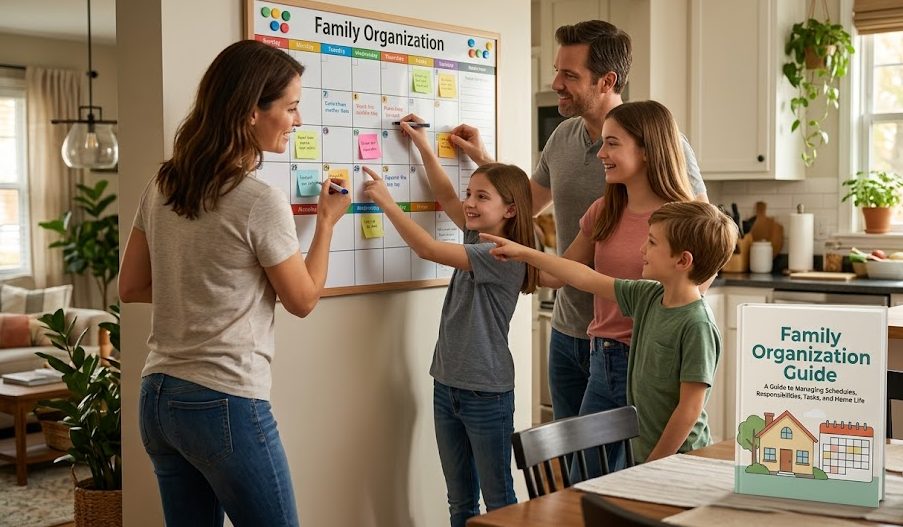
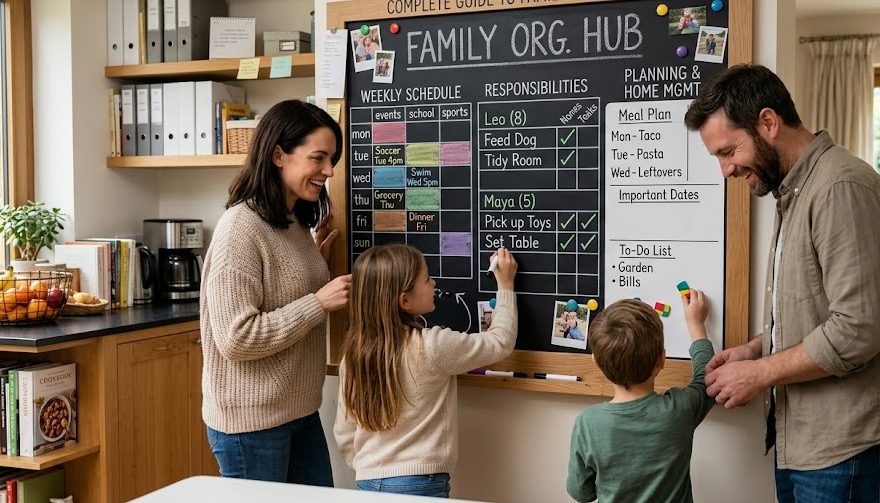
Small traditions can become some of the most memorable parts of family and personal life. A weekly breakfast, Friday evening walk, monthly game night, weekend cooking session, Sunday planning routine, or regular outdoor activity can create something people naturally look forward to.
Traditions do not need to be complicated. Their value comes from consistency. Over time, repeated simple experiences can become familiar memories that are associated with certain people, places, seasons, or times of the week.
Frequently Asked Questions
“`Does quality time have to cost money?
No. Many enjoyable activities are free or inexpensive, including walking, cooking at home, reading, playing games, having conversations, exploring nearby places, exercising, and working on creative hobbies.
How can busy people find more quality time?
Start with small periods rather than waiting for an entire free day. Even 15 to 30 minutes of intentional activity can become valuable when it is used consistently.
What can families do together at home?
Families can cook meals, play board games, watch a selected movie, create art, organize photographs, work on small projects, read together, or have a dedicated conversation without phones.
Is spending time alone also important?
Yes. Personal time can provide an opportunity to rest, reflect, learn, practice hobbies, exercise, or enjoy quiet activities without the demands of a group schedule.
How can everyday life become less repetitive?
Introduce small changes. Try a new recipe, take a different walking route, learn something unfamiliar, visit a nearby location, start a hobby, or create a weekly tradition that gives the routine some variety.
Finding More Enjoyment in Ordinary Days
A satisfying daily life does not require constant entertainment or expensive experiences. Often, the biggest difference comes from paying more attention to the time that is already available. A shared meal, an evening walk, a thoughtful conversation, a creative hobby, a short local adventure, or a quiet hour alone can all become meaningful parts of a routine.
The most useful approach is to experiment with different activities and notice what genuinely makes your days feel better. Keep the activities that bring energy, connection, curiosity, or relaxation, and allow your routine to change as your interests and responsibilities change.
When ordinary moments receive a little more attention, everyday life can become more enjoyable without needing to become more complicated.