Busy mornings can feel rushed when family members wake up at different times, search for important items, make last-minute decisions, or try to complete too many tasks at once. A simple family morning routine can create a calmer start by giving everyone a clear sequence of activities and reducing the number of decisions that need to be made before leaving home.
A useful morning routine does not need to begin extremely early or follow a strict schedule. It should match the family’s real needs and allow enough time for preparation, meals, personal care, and unexpected changes. The goal is not to create a perfect morning. It is to make busy days feel more organized, predictable, and manageable.
1. Understand What Makes Mornings Difficult
Before changing the routine, identify the situations that regularly create stress. Some families struggle with late wake-up times, while others lose time searching for shoes, school materials, keys, or work items.
Observe the morning for several days and look for repeated patterns. Avoid trying to fix every small issue immediately. Focus on the parts of the routine that create the biggest delays.
- Which activities take longer than expected?
- What items are frequently misplaced?
- Are too many decisions made in the morning?
- Does everyone know what they need to do?
- Is there enough time for breakfast and preparation?
2. Prepare Important Things the Night Before
Evening preparation can reduce morning pressure. Spend a short amount of time checking the next day’s schedule and gathering items that will be needed.
Family members can prepare clothes, pack bags, organize school or work materials, and place important items near the exit. This reduces last-minute searching and gives people more time to focus on their regular routine.
Place school, work, or activity materials inside before bedtime.
Prepare suitable clothing for the next day.
Review appointments, events, and schedule changes.
3. Create a Simple Order for Morning Activities
A consistent order can make the routine easier to remember. The exact timing may vary, but familiar steps help family members know what comes next.
🌅 Step 1: Wake up and complete personal care
👕 Step 2: Get dressed using prepared clothes
🥣 Step 3: Eat breakfast and prepare for the day
🎒 Step 4: Check bags and important materials
🚪 Step 5: Complete a final check before leaving
The order should be simple enough for family members to follow independently. Younger children may benefit from a visual checklist with pictures or short instructions.
4. Give Frequently Used Items a Clear Place
Searching for important belongings can create unnecessary delays. Create a small morning station near the entrance where family members can keep items needed when leaving home.
The area may include hooks for bags, a tray for keys, space for shoes, and a folder for important papers. Keep the station simple and easy to use.
- Keys and access items
- School or work bags
- Shoes and outer clothing
- Important notes or documents
- Items needed for planned activities
5. Keep Breakfast Simple and Predictable
Breakfast can become stressful when meals are decided at the last minute. Planning a few simple options can reduce preparation time and make mornings more predictable.
Prepare some ingredients in advance when appropriate. Keep frequently used breakfast items together so they are easy to find. Choose options that fit the family’s preferences, schedule, and available time.
A simple rotating plan may be easier to maintain than creating a different meal idea every morning.
6. Add a Short Family Schedule Check
Before leaving home, take a moment to review important plans. Check for appointments, school activities, work changes, transportation needs, or special items.
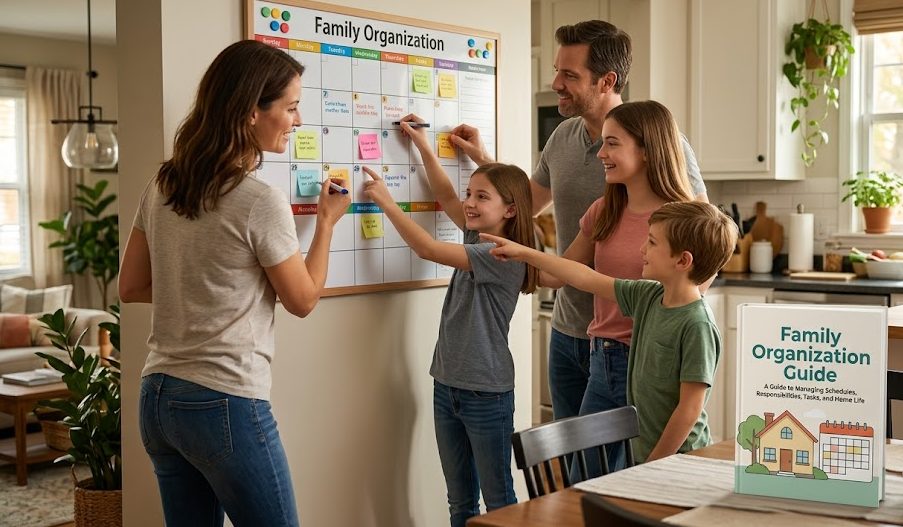
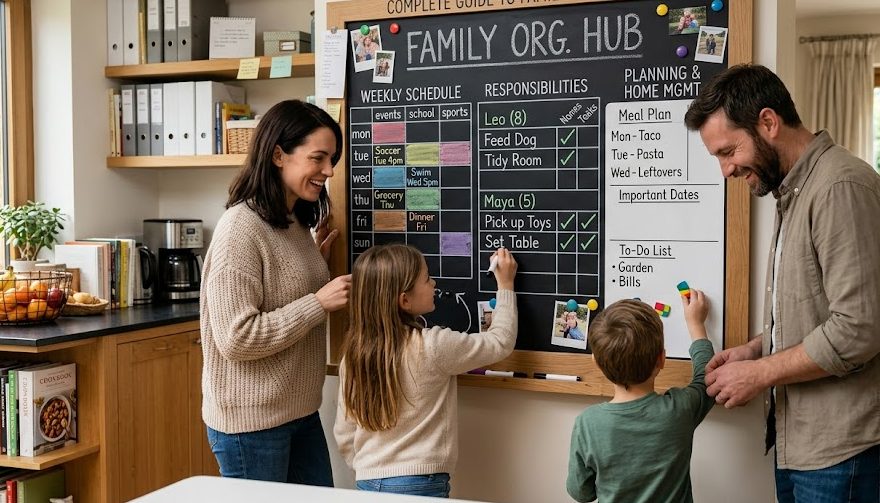
This check can be completed using a shared calendar, a wall planner, or a simple family notice area. Keep the information clear and avoid adding unnecessary details.
- What is the most important event today?
- Does anyone need special materials?
- Are transportation plans confirmed?
- Has the schedule changed?
7. Avoid Too Many Reminders
Repeated reminders may make mornings feel more stressful. Instead of asking the same questions every day, use visible checklists and predictable routines.
Place a short checklist near the morning station or in a location where family members naturally see it. Encourage everyone to check their own responsibilities before asking for help.
Clear systems can support independence and reduce the need for one person to manage every step.
8. Leave Extra Time for Unexpected Delays
Unexpected situations can happen even with good preparation. A family member may need extra time, transportation may be delayed, or an important item may need to be found.
Adding a small time buffer can prevent one delay from affecting the entire morning. The goal is not to wake up much earlier than necessary. It is to avoid scheduling every minute too closely.
9. Review the Routine and Make Small Changes
A morning routine should change when family schedules or needs change. Review the system after a few weeks and identify which steps are useful and which create unnecessary pressure.
Ask family members for feedback. A routine may need shorter steps, a better storage location, or more preparation the night before.
Small adjustments are often more effective than replacing the entire routine.
- Which steps help the morning run smoothly?
- Where do delays still happen?
- Are important items easy to find?
- Does everyone understand the routine?
- What can be simplified?
Conclusion
A family morning routine can create a calmer start by reducing unnecessary decisions, preparing important items in advance, and giving everyone a clear sequence of activities. The routine does not need to be strict or complicated. It should fit the family’s schedule and support independence.
Start with a few practical changes, such as preparing bags the night before, creating a morning station, and using a short checklist. Add extra time for unexpected delays and review the routine regularly.
With consistent habits and a flexible approach, busy mornings can become more organized and less rushed. Small systems can help family members feel prepared, communicate more clearly, and begin the day with greater confidence.